
One of the most common questions founders ask during product development is which manufacturing process to choose for their product.
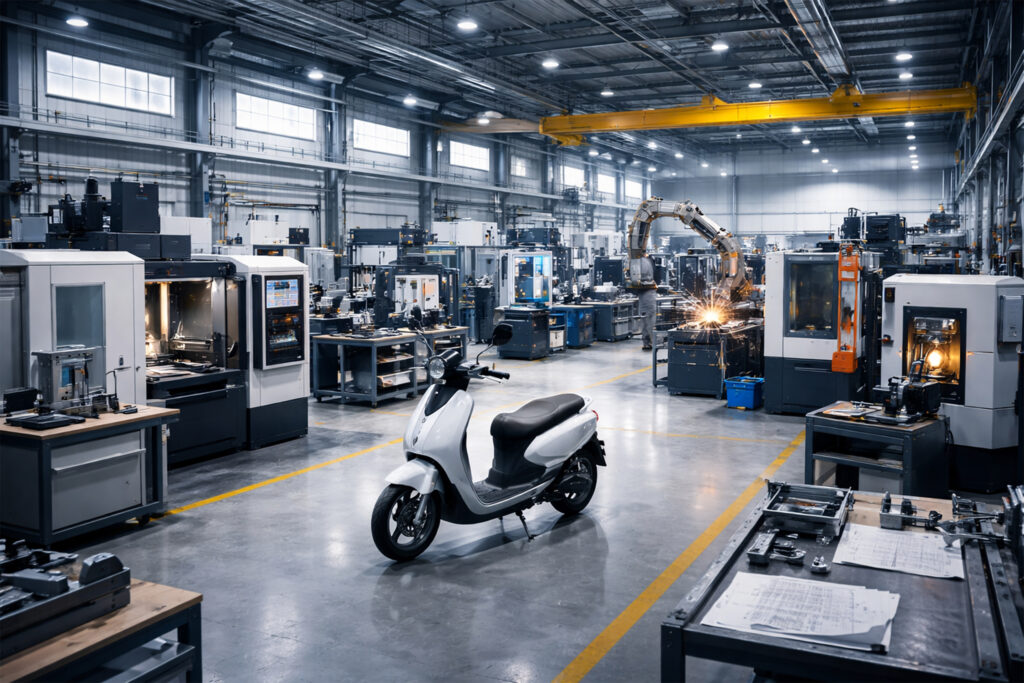
Choosing the wrong process early can lead to:
- Higher costs
- Poor product quality
- Delays in scaling
- Redesigns that waste time and money
At Zephware Technologies, we work closely with startups and product teams to help them select the optimal manufacturing process and material, tailored to their product stage, application, and scale.
This guide breaks down:
- Key manufacturing processes
- Prototyping vs production methods
- Material selection strategies
- Real product examples across industries
1️⃣ Understanding Manufacturing Processes (Production)
🔹 CNC Machining

Best when you need: precision, flexibility, low–medium volumes
Materials:
Aluminium, Mild Steel (MS), Stainless Steel (SS), ABS, PC, Nylon
Why choose CNC machining?
- Tight tolerances
- Excellent surface finish
- Ideal for early production
Typical applications:
- Battery pack housings
- EV brackets and mounts
- Precision machine components
📌 Example:
A battery startup may CNC-machine aluminium enclosures during pilot production before moving to die casting.
🔹 Sheet Metal Fabrication
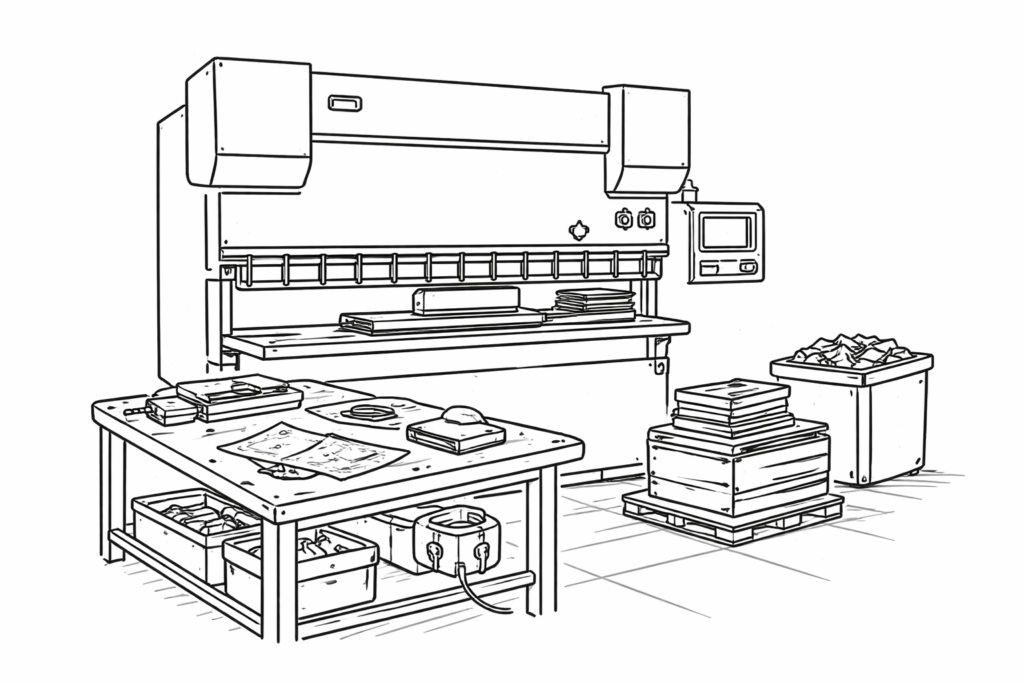
Best when you need: strength, cost efficiency, scalability
Materials:
- Mild Steel → cost-effective, strong
- Stainless Steel → corrosion-resistant, premium
- Aluminium → lightweight, thermally conductive
Processes involved:
Laser cutting, bending, welding, powder coating
Typical applications:
- Energy storage enclosures
- Electrical cabinets
- Industrial machine frames
📌 Example:
Energy storage systems commonly use MS sheet metal for strength and cost, while SS is used for outdoor or hygienic applications.
🔹 Injection Molding
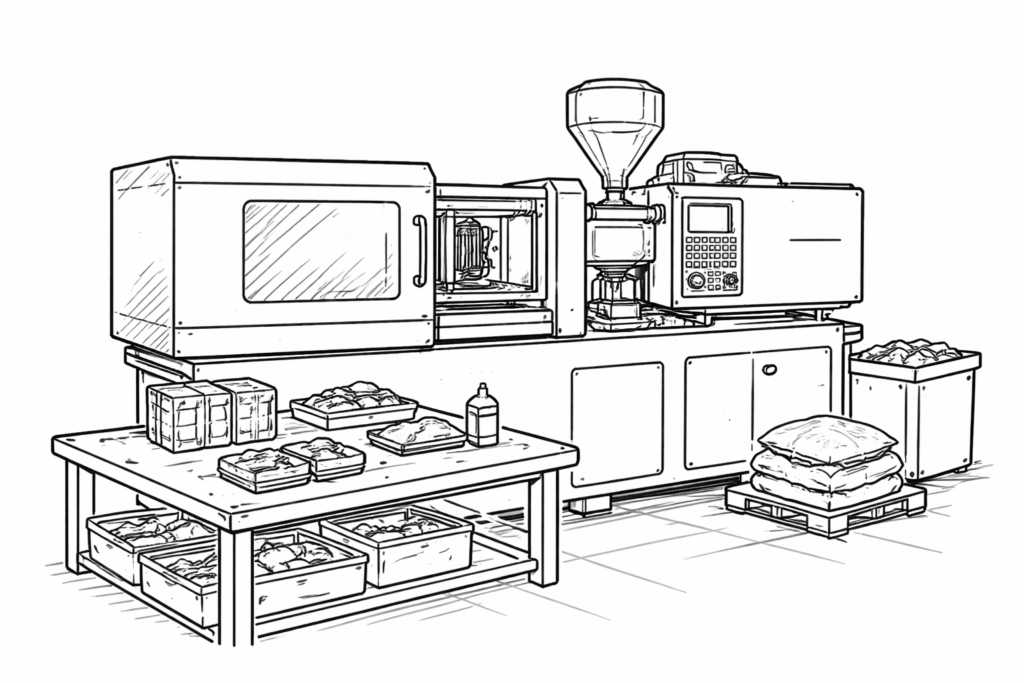
Best when you need: high volume, consistent quality
Common materials & when to use them:
| Material | When to Use |
|---|---|
| ABS | Cost-efficient consumer products |
| PC | High impact strength & premium finish |
| ABS+PC | Balanced strength, finish, and cost |
Typical applications:
- Consumer electronics enclosures
- Chargers, adapters
- Automotive interior components
📌 Example:
A smart device startup prototypes using 3D printing, then shifts to ABS+PC injection molding for mass production.
🔹 Die Casting
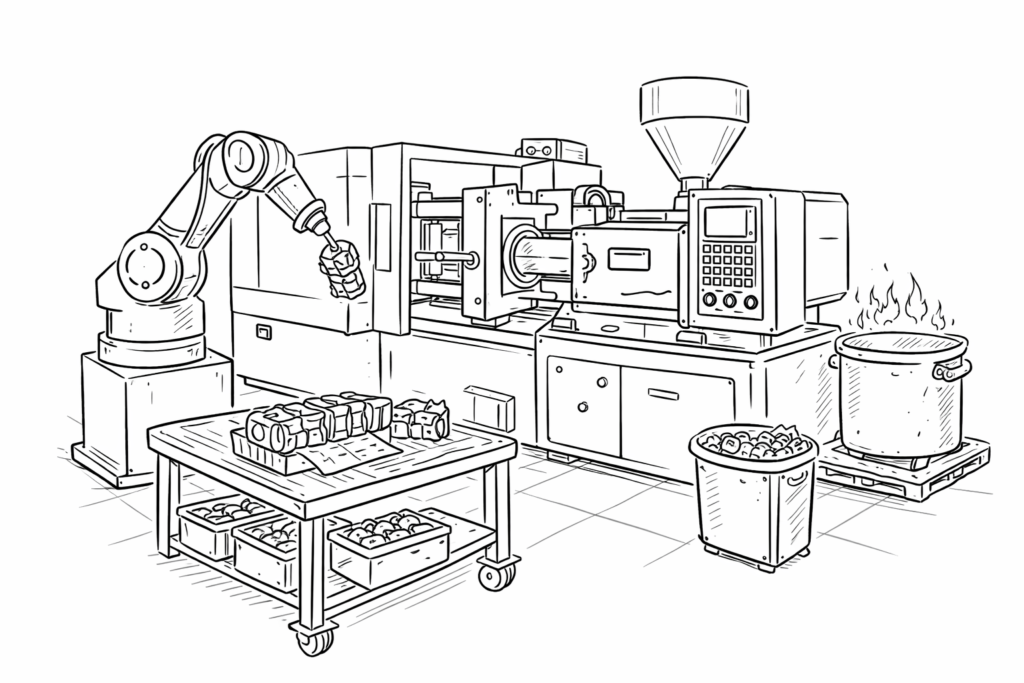
Best when you need: complex metal parts at scale
Materials: Aluminium, Zinc
Why choose die casting?
- Excellent repeatability
- Good surface finish
- Ideal for thermal management
Typical applications:
- EV motor housings
- Inverter enclosures
- Heat sinks
📌 Example:
EV power electronics often use aluminium die-cast housings to manage heat and weight.
2️⃣ Prototyping & Low-Volume Manufacturing
🔹 3D Printing
Best when you need: speed and iteration
Technologies: FDM, SLA, SLS
Use cases:
- Concept validation
- Functional prototypes
- Fixtures and jigs
📌 Example:
A battery pack design may use 3D-printed spacers and end plates before moving to metal.
🔹 Vacuum Casting
Best when you need: 10–100 plastic parts without tooling
Why use it?
- Mimics injection-molded plastics
- Faster and cheaper than molds
- Ideal for pilot runs
📌 Example:
Consumer electronics startups use vacuum casting for early customer testing.
3️⃣ Which Manufacturing Process to Use by Product Type
🔌 Consumer Electronics
- Prototype: 3D printing, CNC
- Production: Injection molding (ABS / ABS+PC)
🔋 Battery Packs & Energy Storage
- Structure: MS or aluminium sheet metal
- Thermal parts: CNC or die casting
- Prototyping: 3D printing + CNC
⚙️ Special Purpose Machines (SPM)
- CNC machining
- Sheet metal fabrication
- Aluminium extrusion frames
🚗 Electric Vehicles (EV)
- Structural parts: Tubular channels or die casting
- Mounts & brackets: CNC + sheet metal
- Trims & Body: Plastic-metal hybrid designs, FRP Panels
How to Decide
There is no universal answer to which manufacturing process to use — the right choice depends on:
- Product stage (prototype vs production)
- Volume
- Cost targets
- Functional requirements
The most successful startups:
- Prototype fast
- Validate early
- Choose scalable processes at the right time
At Zephware Technologies, we help product teams make these decisions with clarity — combining design consultancy, manufacturing support, and supplier coordination under one roof.
If you’re building a product and unsure which manufacturing process to use, that’s exactly where we add value.